

Introduction
While Bali is known for its lush landscapes and tropical charm, a growing water crisis is challenging this image. Over-tourism, rapid development and poor water management have led to increasing water scarcity across the island. For the real estate industry, this represents a major shift. Developers and investors are rethinking how to build sustainably in a place where water can no longer be taken for granted. This isn’t just about environmental responsibility, it’s about ensuring long-term viability for properties and communities.
The Reality of Bali’s Water Crisis
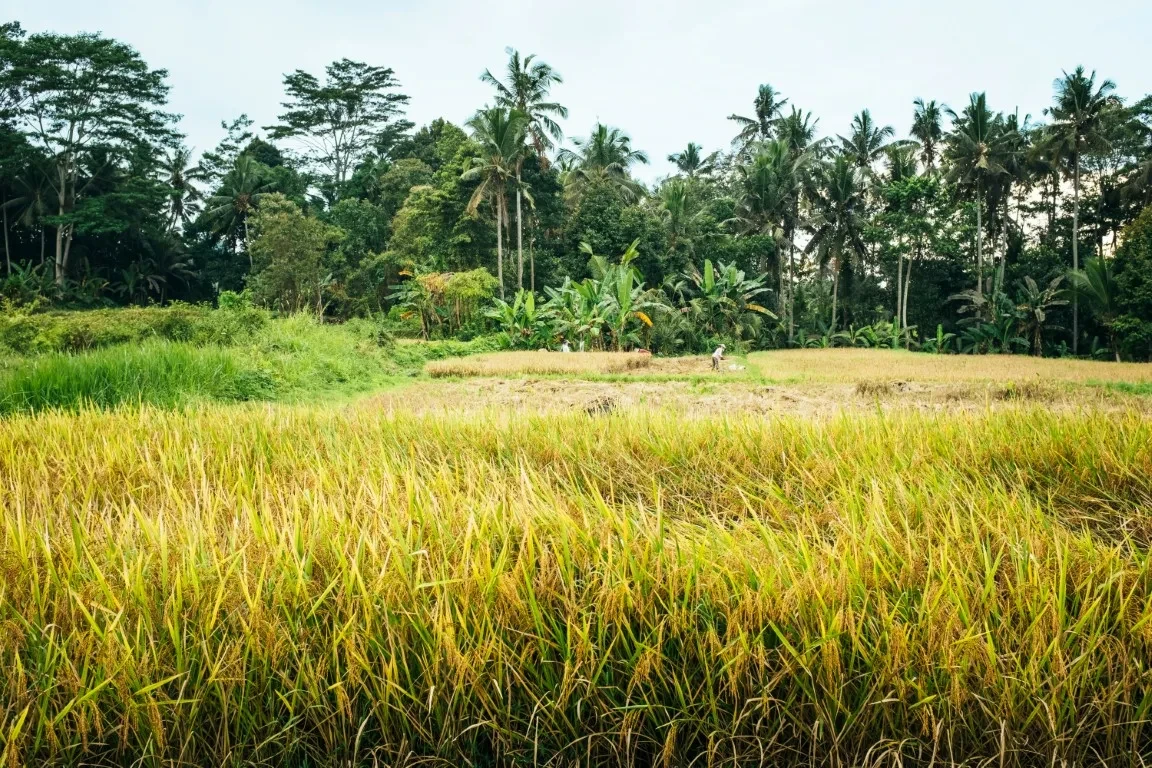
Recent reports from environmental groups and NGOs like IDEP and Eco Bali confirm what locals already observe. Wells are drying up, rice fields are turning brown and freshwater reserves are shrinking. Even upland areas such as Ubud and parts of Canggu are experiencing seasonal shortages. This is no longer a distant issue, it directly affects construction timelines, tenant comfort and property viability. As tourism numbers climb and development accelerates, the strain on water resources will only intensify, making this an urgent priority for all stakeholders.
How It Impacts Real Estate Development
Access to water is now a critical factor when choosing where and how to build. Properties that depend on deep wells or are located in overdeveloped zones face higher operational risks and costs. Developers must consider not only the immediate availability of water but also its long-term sustainability. Investors are beginning to assess land not just for price, views or location, but for reliable water access and future-proof infrastructure. In many cases, this may mean shifting focus to areas that have integrated water management plans or collaborating with local communities on solutions.
Sustainable Design as a Solution
Eco-conscious developments are stepping up with solutions that are no longer luxury extras but essentials. Rainwater harvesting systems, greywater recycling, water-efficient appliances and landscaping that reduces irrigation needs are becoming standard features. Beyond technology, design choices like orienting buildings to maximize shade and airflow or incorporating permeable surfaces to replenish groundwater are gaining traction. These innovations not only conserve water, they also create homes that are more resilient, appealing and aligned with a growing global demand for sustainability.
Shift in Buyer Preferences
Environmentally aware buyers, especially digital nomads and long-term expats, are increasingly drawn to properties that manage water wisely. Listings that highlight sustainable water usage, filtration systems or independence from the public water grid stand out in a competitive market. Buyers now see water security as part of the overall quality of life and investment value. This shift is pushing developers to think creatively and integrate smart water management into their designs from the earliest planning stages, ensuring projects meet both lifestyle and ecological expectations.
Government and Local Community Response
Balinese authorities are beginning to respond by restricting overdevelopment in water-stressed areas and encouraging traditional water-sharing practices such as subak. These communal systems, used for centuries, are a model for balancing resource use with agricultural and cultural needs. Local communities are also taking action. Some villages have implemented water quotas, built new catchment systems or partnered with NGOs to upgrade infrastructure. Developers who collaborate with these initiatives and engage with local leaders will not only have stronger social and legal support, they’ll also contribute to preserving the island’s unique way of life.
Conclusion
Water scarcity is no longer a future concern, it is a present reality in Bali. For the real estate market, this challenge also presents an opportunity. Projects that embrace smart water management and sustainable design will not only be more resilient, but also more attractive to buyers who care about the island’s future. By integrating these principles from the outset, developers and investors can help shape a more sustainable, balanced and prosperous future for Bali’s real estate landscape.
Thanks for reading.
— Your dream property awaits —