

Bali’s property market is evolving, shaped by a growing demand for sustainability, affordability, and lifestyle-driven investments. While luxury villas and large resorts have long dominated the scene, a new trend is capturing the attention of modern investors: tiny houses. In Ubud, a young couple recently built two minimalist homes for just US $30,000 on leased land, showcasing how compact living can also be smart investing. Their story reflects a broader movement that combines legal security, ecological awareness, and affordability in one innovative model.
Minimalist Living Meets Smart Investment
Tiny houses are redefining property investment in Bali. With construction costs far lower than traditional villas, they provide an entry point for individuals who may not have millions to invest. These homes also offer flexibility, functioning as personal residences, short-term rentals, or long-term leases for digital nomads and wellness travelers. By reducing the scale of the investment, buyers can minimize risk while still benefiting from Bali’s thriving tourism and rental market.
Leasehold Land: A Secure and Practical Model
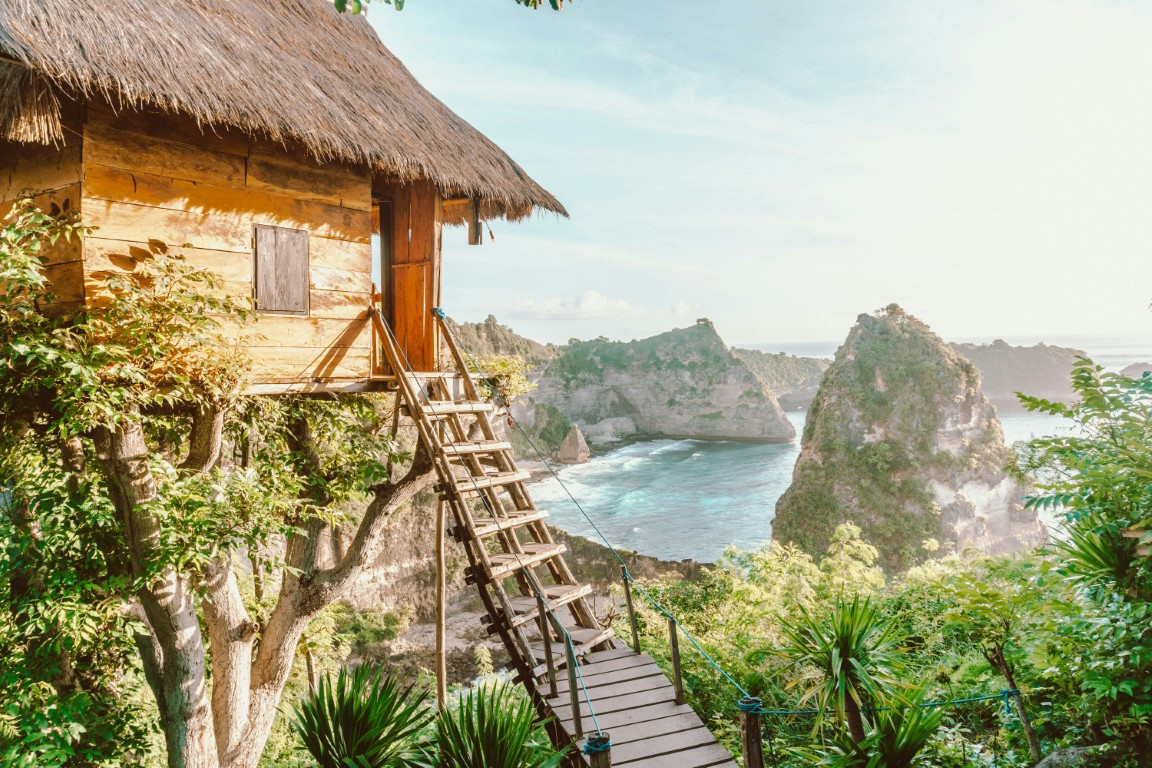
Foreign ownership in Indonesia can be complex, but leasehold agreements offer a clear solution. The Ubud couple secured a 25-year lease, aligning with local regulations while ensuring long-term security. This model allows investors to avoid legal pitfalls while enjoying stable access to property. With options to renew leases, tiny house investors gain peace of mind and flexibility, ideal for those seeking to balance short-term opportunity with long-term vision.
Sustainability and Eco-Friendly Appeal
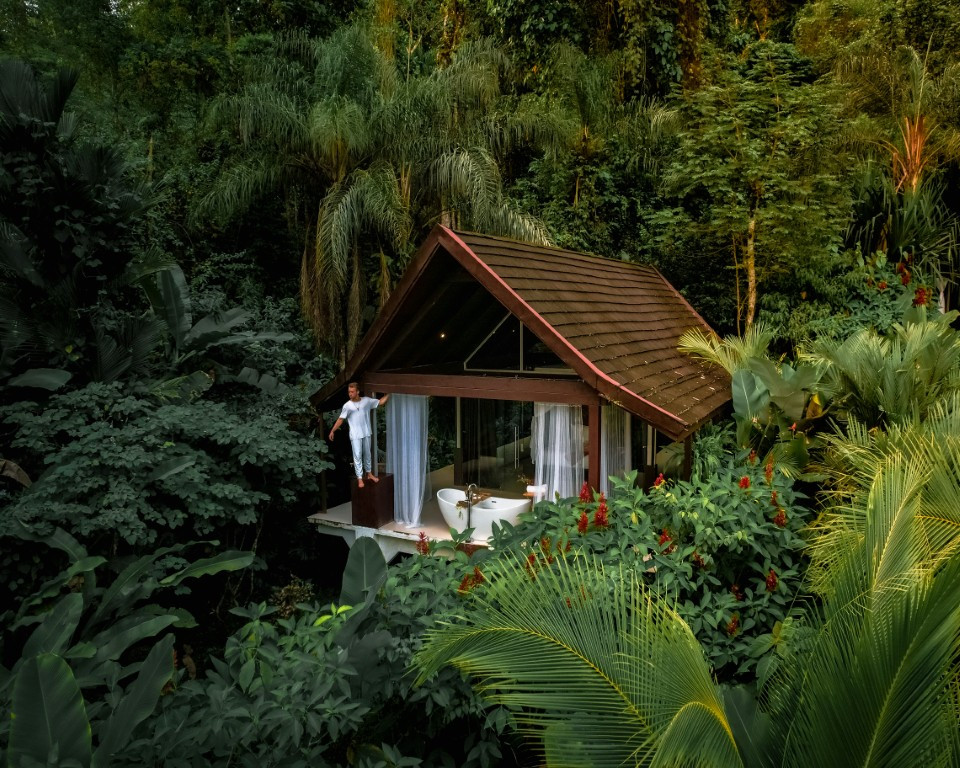
Sustainability is no longer a niche, it’s a necessity. Tiny houses fit perfectly into Bali’s push for greener tourism and development. Using natural materials, smaller footprints, and eco-friendly features like permaculture gardens, these properties appeal to travelers who value conscious living. As global visitors increasingly demand responsible tourism options, eco-minded homes are becoming both a moral and financial advantage for investors.
Rising Demand from Modern Buyers
Digital nomads, remote workers, and millennials are fueling this trend. Many prefer compact, well-designed homes that emphasize simplicity, wellness, and connection with nature. Tiny houses, especially in cultural and serene hubs like Ubud, offer exactly that. Investors who embrace this model not only tap into a fast-growing market but also differentiate themselves from the oversaturated villa rental segment in areas like Canggu or Seminyak.
Conclusion
Tiny houses may be small in size, but their impact on Bali’s property landscape is significant. By blending affordability, sustainability, and legality, they present a compelling opportunity for forward-thinking investors. Whether used as personal sanctuaries or income-generating rentals, these minimalist homes represent a shift toward a more responsible and accessible real estate market. For investors looking to enter Bali with less risk and greater purpose, tiny houses could be the big idea of the future.