


Introduction
Over the past decade, Bali’s real estate market has transformed dramatically. Once a laid-back paradise known for affordable villas and untouched beaches, the island has evolved into a global hotspot for tourism, investment and lifestyle living. From Canggu’s rise as a digital nomad haven to Uluwatu’s luxury boom, property values have steadily climbed, driven by foreign interest, infrastructure growth and Bali’s ever-growing global appeal.
In this article, we explore how the island’s property prices have changed over the last ten years, the key forces behind this growth and what it all means for future investors.
A Snapshot of Bali’s Market 10 Years Ago
Back in 2014/2015, Bali’s real estate landscape looked very different. Seminyak was still the chic center of tourism, while Canggu was just starting to attract early adopters looking for affordable land near the surf. Ubud remained a quiet retreat for artists and wellness seekers and prime beachfront or rice field villas were still reasonably priced compared to international standards.
At the time, foreign investment was rising, but the competition was nowhere near today’s levels. Infrastructure outside the main tourist zones was limited and while Bali had already earned a reputation as a tropical paradise, the global influx of remote workers and long-stay expats hadn’t yet arrived. For early investors, it was a golden window of opportunity.
What’s Driving the Price Surge?
Several key factors have fueled Bali’s property price increase over the past decade:
- Tourism Growth: Bali consistently ranks among the world’s top travel destinations, welcoming millions of visitors each year. This ongoing influx drives demand for short-term rentals and investment properties.
- Foreign Investment & Digital Nomads: With the rise of remote work, Bali became a magnet for digital nomads, entrepreneurs and investors looking for lifestyle and yield. Areas like Canggu, Pererenan and Bingin saw a surge in demand for modern villas and apartments.
- Infrastructure Expansion: Improved roads, upgraded airports, new international schools and a wave of co-working hubs have expanded the livable and investable zones across the island.
- Limited Supply in Prime Areas: As central areas became saturated, available land became scarce, especially near the beach, driving both rental yields and capital values upward.
The impact of the COVID-19 Pandemic on Prices
Like much of the world, Bali’s real estate market hit a brief pause during the height of the COVID-19 pandemic. Border closures in 2020–2021 led to a drop in tourism and short-term rentals, causing temporary price dips and market uncertainty.
But the rebound was fast. By late 2021 into 2022, Bali reopened to a flood of returnees: remote workers seeking freedom, expats escaping city life and investors looking for post-pandemic opportunities. Demand for spacious villas, serene locations and flexible work-life setups surged, driving prices to new highs, often exceeding pre-pandemic levels.

Where the Market Stands Today
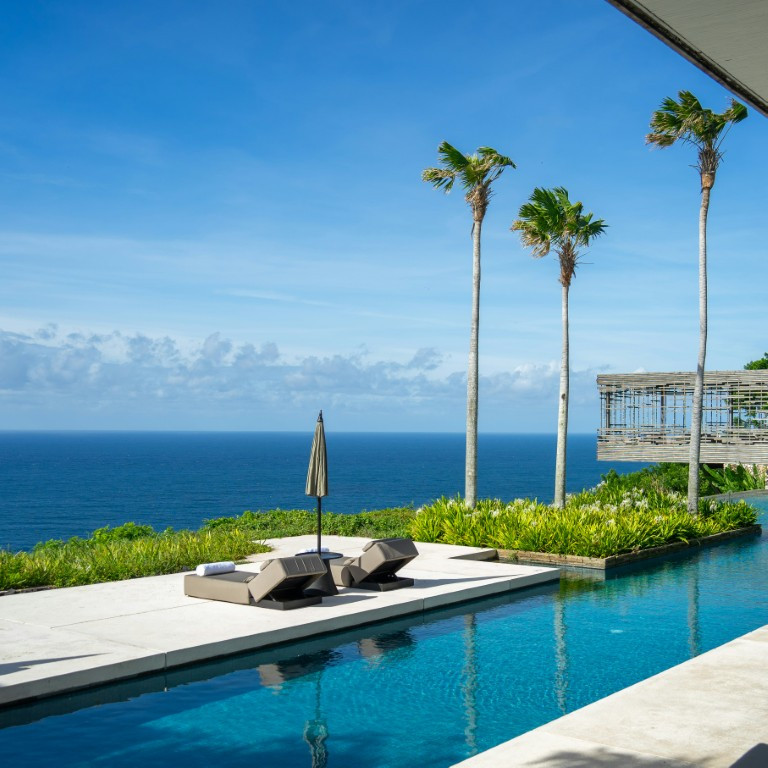
In 2025, Bali’s property market is more dynamic than ever. Premium areas like Canggu, Uluwatu and Pererenan are experiencing a full-fledged development boom, with high-end villas, eco-conscious compounds and stylish apartments in constant demand.
Ubud continues to attract wellness-driven buyers, while Tabanan and parts of North Bali are seeing the early signs of the next investment wave. From boutique resorts to smart-home villas, the diversity of developments now caters to an increasingly global audience, spanning investors, retirees, digital professionals and lifestyle seekers.
What’s Next for Bali’s Property Market?
Looking ahead, Bali’s real estate trajectory remains promising, but nuanced.
- Emerging Zones: As core regions mature, interest is shifting to emerging markets like Nusa Penida, Tabanan and North Bali. These areas offer lower entry prices with high potential for long-term appreciation.
- Sustainability and Design: Eco-friendly developments and architecturally unique properties are gaining traction as buyers seek not just investment, but a lifestyle aligned with nature and wellness.
- Regulatory Outlook: Future changes to foreign ownership laws, zoning regulations, or environmental protections could shape market dynamics, so staying informed is essential.
While overdevelopment is a concern in some areas, the sustained demand from international buyers and Bali’s deep-rooted appeal suggest strong fundamentals for the foreseeable future.
Conclusion
Over the last 10 years, Bali’s real estate market has evolved from a niche opportunity into one of Southeast Asia’s most sought-after investment landscapes. Prices have climbed steadily, driven by global interest, better infrastructure and the island’s unmatched lifestyle offerings.
For those considering investing today, the key is timing and location. Established areas offer proven returns, while emerging regions present exciting opportunities for early movers. Either way, the fundamentals remain solid: Bali continues to enchant and deliver.