


Introduction
Bali has long been revered as a tropical paradise, a place where lush jungles meet pristine beaches and ancient culture thrives alongside modern hospitality. But behind this idyllic façade lies a growing challenge: pollution. As tourism continues to boom, so does the demand for short-term rental properties and resort developments. While this growth fuels Bali’s economy, it also places increasing pressure on the island’s delicate environment. In this article, we explore how real estate development linked to tourism is contributing to pollution and what it means for the future of Bali’s property market.
The Link Between Tourism and Pollution
The connection between tourism growth and environmental strain is undeniable. More visitors mean more waste, greater water consumption and increased plastic pollution, particularly in popular coastal zones. Hotels, villas and restaurants generate vast amounts of waste, much of which exceeds the capacity of Bali’s existing waste management systems. Construction sites, meanwhile, contribute to habitat destruction, air pollution and the depletion of local resources. As development accelerates, the island’s ecosystems are being pushed to their limits.

Real Estate Development: Meeting Tourist Demand
To keep pace with Bali’s tourism surge, the island has seen a rapid rise in property development. Private villas, boutique hotels and short-term rentals are being constructed at an unprecedented rate, especially in tourism hotspots. While these developments cater to the growing appetite for vacation accommodations, they also contribute to overdevelopment and infrastructure strain. Unfortunately, many of these properties are built with short-term profits in mind, rather than long-term sustainability. The result? Increased traffic, insufficient waste systems and ongoing environmental degradation.
Environmental Hotspots: Where the Strain is Most Severe
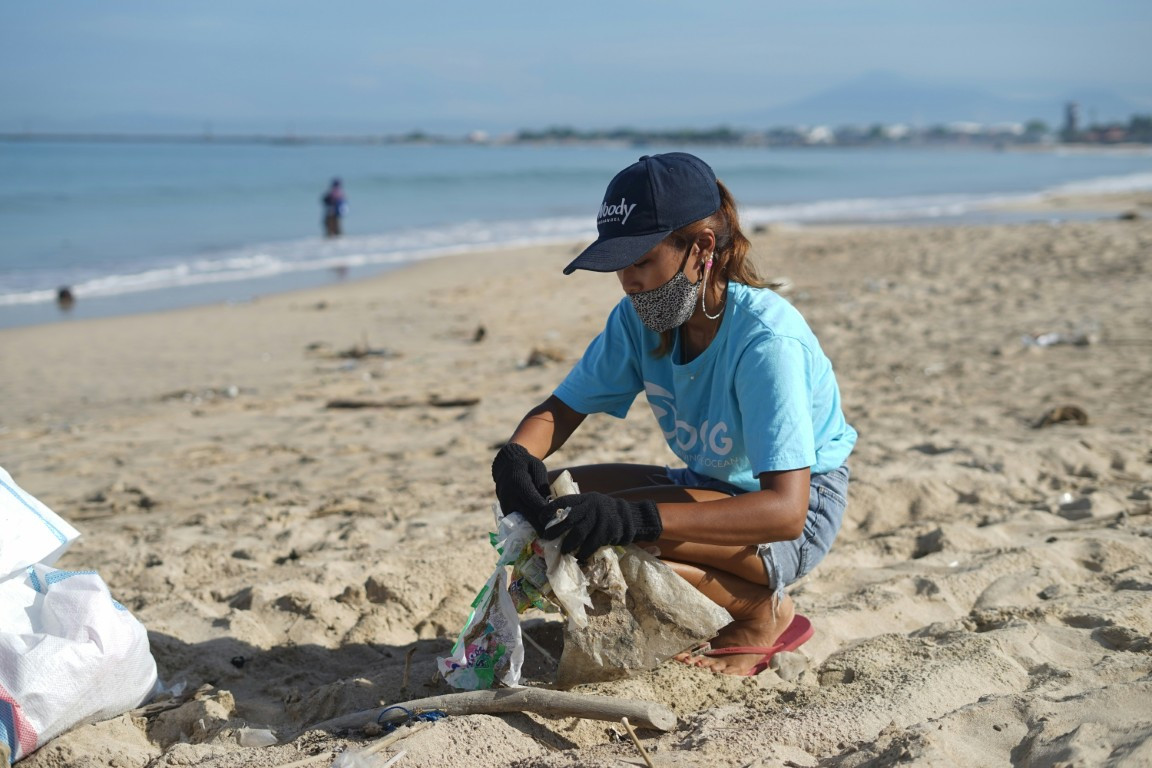
Certain regions of Bali are bearing the brunt of overdevelopment. Canggu, Uluwatu and Seminyak, for example, have become symbols of both booming tourism and environmental decline. These areas face mounting issues: plastic pollution on beaches, congested roads, overburdened sewage systems and rising noise levels. As villas and commercial venues continue to sprout up, green spaces shrink, natural habitats disappear and the overall ecological balance suffers. Without intentional planning, these communities risk losing the very appeal that once made them so attractive.
Long-Term Risks to Property Value
While Bali’s property market remains a lucrative space for investors, the long-term effects of pollution and overdevelopment pose serious risks. Areas experiencing heavy environmental degradation may see declining property values as they become less attractive to renters and buyers. Infrastructure failures, water shortages or flooding can all lead to higher maintenance costs and lower rental yields. Savvy investors must now consider not only location and aesthetics, but also environmental resilience when evaluating real estate opportunities in Bali.
Building a Sustainable Future
The path forward lies in sustainable development. Eco-conscious construction, using renewable materials, energy-efficient technologies and designs that respect the land, can help ease the island’s environmental burden. Integrating rainwater harvesting systems, solar energy and proper waste disposal infrastructure into new builds isn’t just a responsible move; it’s also a smart investment strategy. Properties that blend comfort with environmental stewardship are increasingly sought after by the next generation of travelers and investors alike.
The Role of Developers and Buyers
Creating a more sustainable Bali requires joint responsibility. Developers must embrace building practices that align with long-term ecological goals. This includes preserving green areas, limiting overdevelopment and incorporating systems that reduce a property’s environmental footprint. On the other side, buyers can help shape the market by choosing properties that prioritize sustainability. By supporting responsible projects, they not only protect their investment but also help preserve Bali’s natural charm for generations to come.
Conclusion
Bali’s tourism and real estate sectors are deeply intertwined, but with great opportunity comes great responsibility. The environmental cost of unchecked development is becoming harder to ignore. As pollution and overuse threaten the island’s beauty and livability, the need for a shift toward sustainable property development has never been more urgent. At Emas Estate, we believe that growth and preservation can go hand in hand. By prioritizing eco-conscious investments and responsible development, we can help ensure Bali remains not just a paradise for today, but for decades to come.