


Introduction
As Bali faces growing environmental challenges, property buyers are becoming more mindful of their impact. Buying responsibly today means more than securing a piece of paradise, it means investing in a way that respects the island’s ecosystems, communities and long-term sustainability. This growing awareness is shaping a new kind of real estate mindset, one that values beauty and harmony equally.
What Does Buying Responsibly Mean?
Responsible property ownership goes beyond architecture and aesthetics. It means asking how your investment affects the land, water, energy use and local culture. Choosing a home is no longer just a personal decision, it’s an environmental and social one. A responsible buyer considers how a property is built, what materials are used, whether it supports the local economy and how it fits into the surrounding environment.
This approach reflects a long-term mindset, one that favors ethical construction, energy-conscious design and deeper respect for Bali’s unique way of life.
Eco-Friendly Features, Reimagined Living
In Bali, sustainable properties are not only better for the environment, they often offer a more pleasant and natural way to live. Homes designed with the climate in mind make use of natural ventilation, limiting the need for constant air conditioning. Solar panels are increasingly used to reduce dependency on the grid while rainwater harvesting systems help conserve water, a resource under pressure in parts of the island.
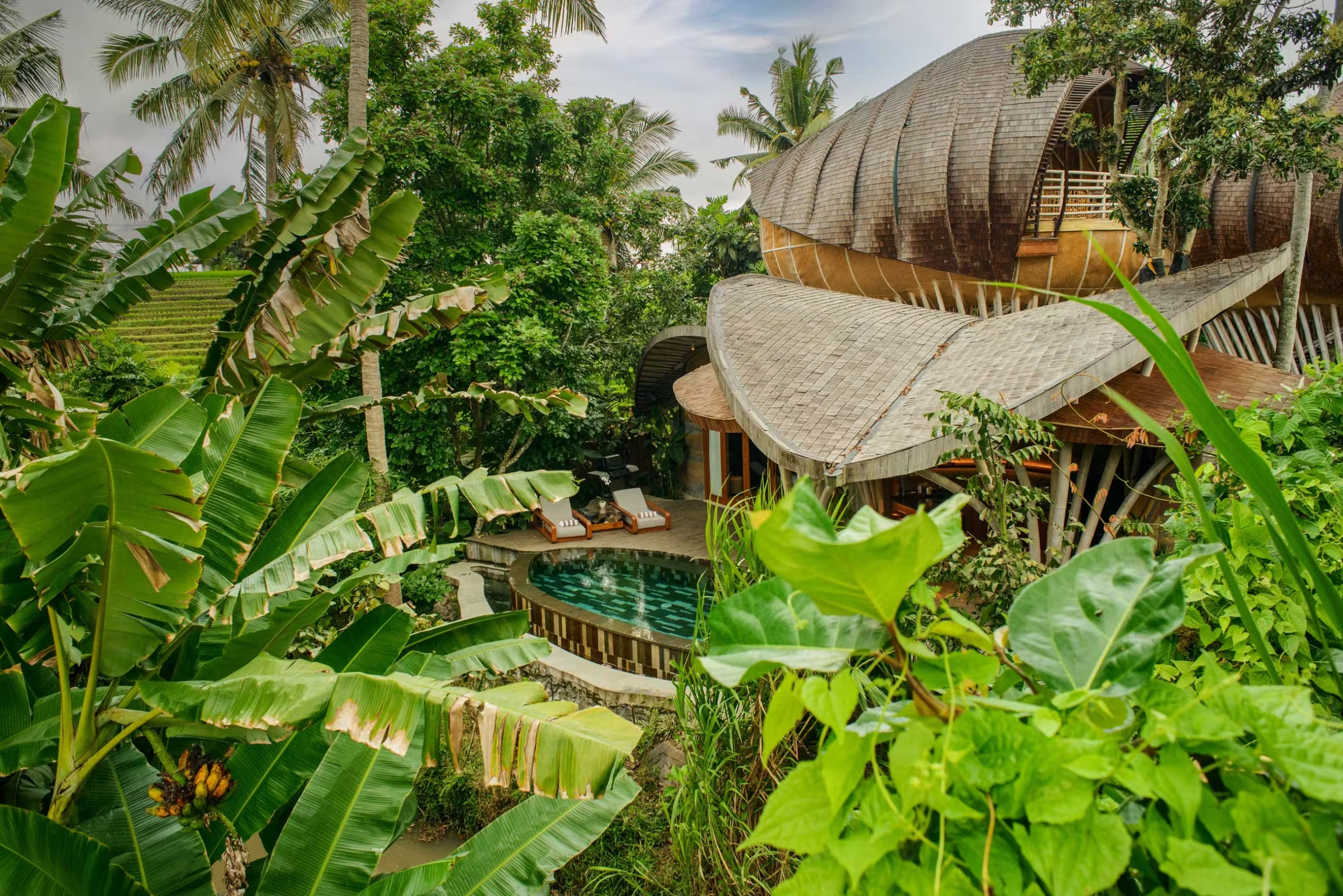
The choice of materials also plays a role. Many forward-thinking projects now use bamboo, reclaimed wood or volcanic stone, local resources that support the economy and reduce carbon impact. Even simple features like a compost system, shaded garden or low-energy lighting contribute to a more responsible lifestyle.
These elements aren’t just about environmental performance, they create spaces that feel open, calm and connected to nature, exactly what many buyers come to Bali seeking.
Choosing the Right Location
Location has always been key in real estate, but for the responsible buyer, it carries extra weight. Purchasing property in ecologically fragile zones such as coastal areas facing erosion or protected rice fields can have lasting negative effects. Instead, areas with existing infrastructure, thoughtful development plans and community integration offer more sustainable choices.
Supporting regions that promote balanced growth helps reduce pressure on popular hubs while opening doors to quieter, more authentic parts of the island. This approach not only protects the land, it also contributes to a more even and respectful kind of development across Bali.
Working with Sustainable Developers
The mindset of a responsible buyer extends to the people you work with. Developers who integrate sustainability into their planning through materials, design or how they engage local communities help shift the industry in the right direction. Some collaborate with local craftsmen, others focus on low-impact construction methods or regenerative landscaping.
Transparency is key. Developers who openly share their methods and long-term environmental goals often build properties that not only hold value but also stand as examples of what future-focused development can look like.
Responsible Living, Beyond the Purchase
Buying responsibly is just the beginning. Living responsibly is what makes the difference. Small habits like conserving water, managing electricity use, recycling or composting organic waste all contribute to a lighter footprint.
Choosing local produce, using natural materials for maintenance or simply supporting nearby businesses deepens your connection to the island and reduces unnecessary strain on resources. These choices aren’t just beneficial for Bali, they enrich the experience of living here, making it more meaningful, intentional and fulfilling.

The Market Impact of Conscious Buyers
Every thoughtful purchase has a ripple effect. When more buyers ask for sustainable homes, developers respond. Over time, these preferences reshape the market, encouraging eco-conscious design, slowing down unsustainable construction and pushing for higher standards across the island.
In this way, responsible buyers aren’t just making ethical choices for themselves, they’re influencing the future of Bali’s real estate in a powerful and lasting way.
Conclusion
Buying property in Bali is an opportunity to align lifestyle, values and long-term impact. By choosing responsibly, from the location and materials to the people you work with and the way you live, you contribute to a more respectful, sustainable version of what it means to own a home on the island.
This kind of ownership goes beyond investment. It’s a statement about the kind of future you want to help shape, in Bali and beyond.
Thanks for reading.
— Your dream property awaits —