

Bali is often seen as a tropical paradise, famous for its beaches, rice terraces, and vibrant culture. However, as a fast-growing island with a delicate ecosystem, Bali also faces recurring natural challenges, most notably flooding. Every rainy season, heavy downpours cause water levels to rise, affecting both local communities and international visitors. Beyond the inconvenience, the consequences of flooding in Bali touch on daily life, the environment, the economy, and the real estate market. Understanding these impacts is essential for anyone living on or investing in the island.
Understanding Why Floods Occur in Bali
Flooding in Bali is primarily caused by intense monsoon rains that strike between November and March. While heavy rain is natural in a tropical climate, the island’s rapid urban development has worsened the situation. Construction in areas like Canggu, Denpasar, Ubud, and Sanur has replaced natural landscapes with concrete, reducing water absorption. Combined with poor drainage systems and deforestation, these changes leave many areas vulnerable to flash floods. Recognizing these causes helps property owners and investors evaluate flood-prone zones and prepare accordingly.
Consequences for Daily Life and Tourism
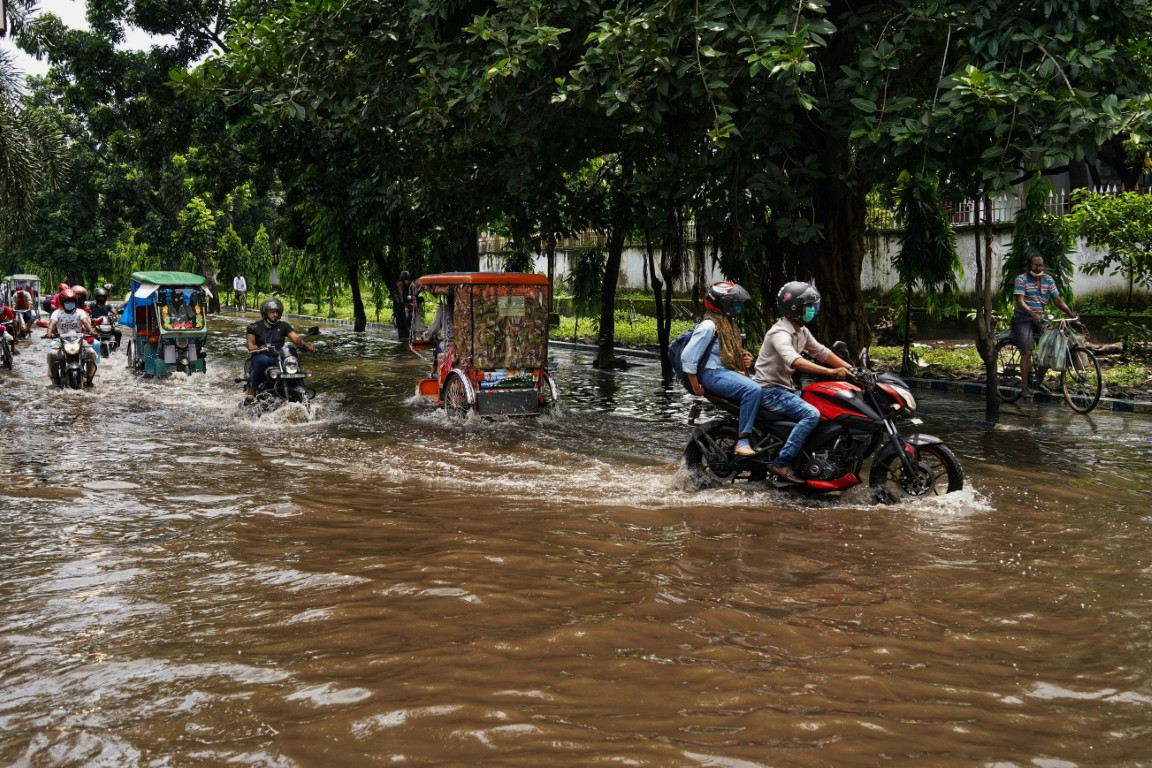
For residents, the effects of flooding are immediate and disruptive. Road closures, damaged infrastructure, and water entering homes are common scenes during the rainy season. Businesses, including shops, restaurants, and local markets, also suffer from property damage and reduced customer traffic. The tourism sector, one of Bali’s economic pillars, feels the impact strongly. Hotels and private villas face cancellations, higher maintenance costs, and in some cases, long-term reputational risks if located in flood-prone zones. Tourists planning a trip to Bali during the wet season should be aware of these potential disruptions.
Environmental Consequences of Flooding
Flooding in Bali is not only a human problem, it also threatens the island’s fragile environment. Heavy rains wash away fertile topsoil from rice terraces, making farming more difficult for local communities. At the same time, plastic waste and debris are carried into rivers and eventually the ocean, worsening Bali’s pollution crisis. Water contamination is another serious issue, as floods can mix sewage with drinking water sources, increasing health risks. These environmental consequences highlight the importance of sustainable development and better waste management to protect Bali’s natural beauty.
Economic and Real Estate Market Impact
The Bali real estate market is deeply influenced by natural disasters, and flooding is a key concern for both local and international investors. Properties in flood-prone areas often face decreased value, higher insurance costs, and more frequent maintenance expenses. For those purchasing villas, the risk of flooding can affect long-term rental income and resale potential. However, buyers who work with experienced agencies like Emas Estate can identify safer investment areas, where sustainable planning and infrastructure reduce flood risks. For investors, due diligence is more important than ever when it comes to property in Bali.
What Can Be Done to Mitigate the Risks
While flooding cannot be eliminated entirely, Bali can reduce its impact through smart planning. Improved drainage systems, river management, and eco-friendly construction practices are essential. Developers are increasingly adopting sustainable building techniques, such as elevated villas, permeable materials, and natural water absorption systems. On a broader scale, government projects and community initiatives focused on flood prevention and reforestation will help create a safer future. For property buyers, choosing eco-conscious real estate solutions is not only an investment in safety, but also in Bali’s long-term resilience.
Conclusion
Flooding in Bali brings widespread consequences, from disrupting daily life and damaging the environment, to influencing the island’s economy and real estate market. For residents and investors alike, understanding these risks is crucial when making decisions about living or buying property in Bali. With responsible development and careful planning, the island can protect both its communities and its natural beauty. At Emas Estate, we guide clients toward smart, sustainable investments that balance Bali’s lifestyle appeal with long-term security.